Keeping an aging parent safe at home means systematic, room-by-room planning plus smart use of community supports. This article provides a detailed checklist for each space in the house, guidance on selecting home care and respite services, and practical steps to access financial and VA or Medicaid resources for U.S. families navigating long-term care decisions.
Overview of Risks and Planning Priorities
Living alone is a point of pride for many older adults in the United States. It represents independence and a lifetime of hard work. Data from the U.S. Census Bureau indicates that nearly 16 million seniors currently live by themselves. While this lifestyle offers freedom, it also requires a proactive approach to safety. A room-by-room assessment is the most effective way to identify hidden dangers. This method ensures that every corner of the home supports a safe and healthy life. It moves the focus from a general feeling of safety to specific, actionable changes.
The risks of aging in place are significant when hazards go unnoticed. Statistics from the CDC are quite clear about the dangers of falls. Every second of every day, an older adult falls in the U.S. This results in more than 32 million falls every year. One in four seniors will experience a fall annually. These incidents lead to 3 million emergency department visits. In recent years, falls caused over 38,000 deaths annually among those aged 65 and older. Research indicates that home hazards contribute to roughly half of these falls. Addressing the environment is not just a suggestion; it is a necessity for survival.
Fall Prevention
Reducing the risk of tripping or slipping is the top priority. Most falls happen during routine activities like walking to the bathroom or reaching for a snack. Removing loose rugs and improving lighting can make an immediate difference. The CDC STEADI initiative emphasizes that identifying these hazards early can prevent the majority of injuries.
Medication Safety
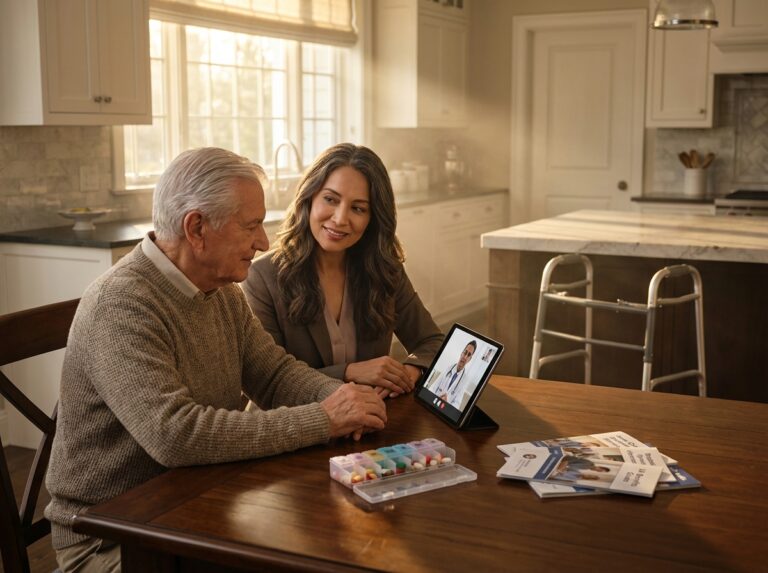
Managing multiple prescriptions is a complex task. Data shows that polypharmacy increases the risk of errors significantly. These mistakes lead to hundreds of thousands of emergency visits every year for seniors. Safety planning must include systems to organize pills and track dosages. This prevents accidental overdoses or missed medications that could lead to a crisis.
Fire and Carbon Monoxide Risks
Older adults face a higher risk during home emergencies. The NFPA reports that seniors are significantly more likely to die in a house fire than younger people. Working smoke alarms can cut this risk by 50 percent. Carbon monoxide is another silent threat. It sends 400 seniors to emergency rooms every year. Installing detectors on every level of the home is a critical step in any safety plan.
Clear Egress and Communication
A senior must be able to exit the home quickly in an emergency. This means keeping hallways and doorways clear of all furniture or clutter. Communication is just as vital. If a fall occurs, the person needs a way to call for help. Medical alert systems or voice-activated assistants provide a lifeline when a phone is out of reach.
Cognitive Safety
For those experiencing memory changes, the home needs extra layers of protection. This might include automatic shut-off devices for stoves. It could also involve simplified layouts that reduce confusion. The goal is to create an environment that feels familiar and easy to navigate without constant supervision.
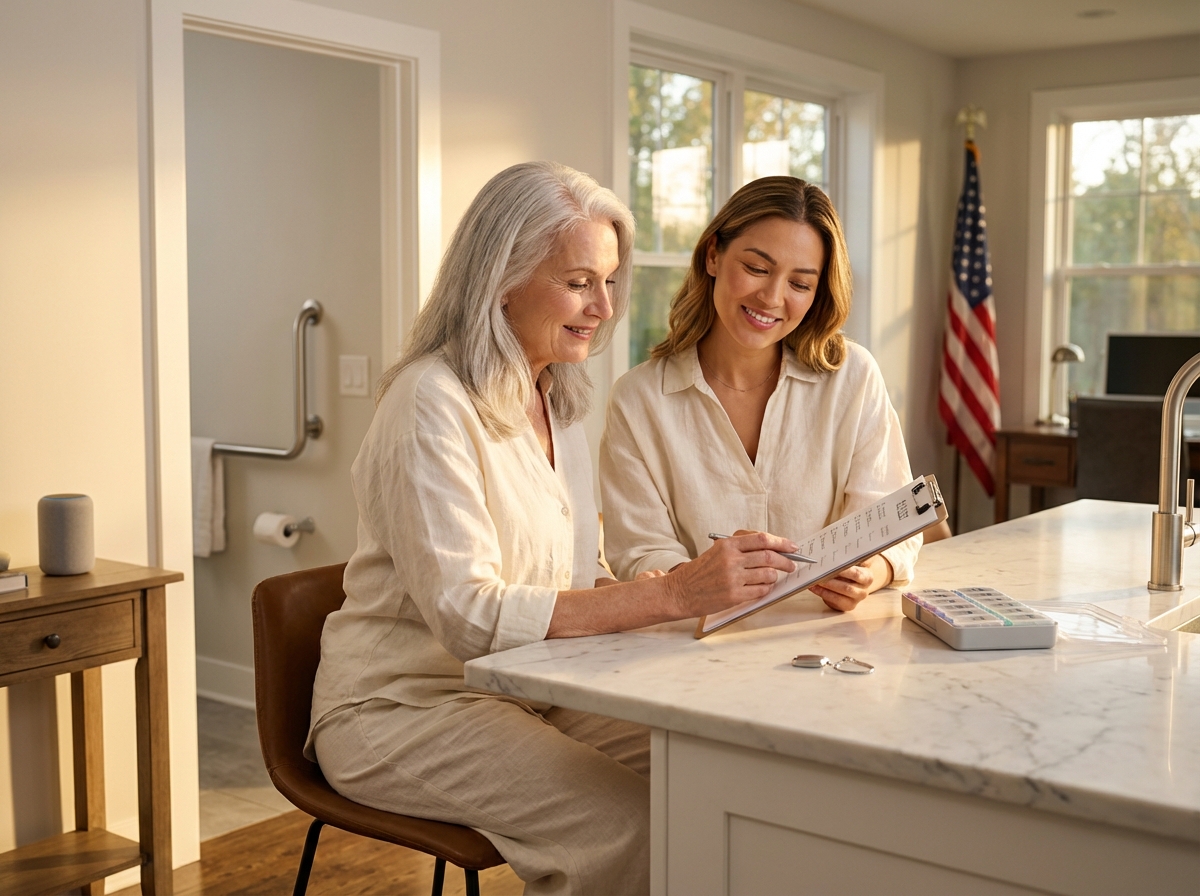
A quick safety audit is the best way to start this process. You can complete a basic walkthrough in about 15 to 30 minutes. Use a notepad to record every loose rug, burnt-out lightbulb, or blocked walkway. Look at the home through the eyes of someone with limited mobility or poor vision. This audit provides the raw data needed to create a renovation and repair plan.
We use a triage system to manage these changes. This helps families focus on what matters most without feeling overwhelmed. The system breaks tasks into three categories.
Immediate Hazards
These are urgent issues that could cause an accident today. Examples include removing throw rugs and clearing clutter from stairs. These fixes are usually free or very low cost.
Medium Term Modifications
These are recommended changes that require a small investment of time or money. This includes installing grab bars in the bathroom or adding motion sensor lights to hallways. Most of these should be completed within a month of the audit.
Comfort and Convenience Upgrades
These are optional improvements that make daily life easier. Smart home technology or walk-in tubs fall into this category. These can be planned over several months as the budget allows.
| Room or Area | Primary Safety Focus | Priority Level |
|---|---|---|
| Entrances | Ramps and lighting | Urgent |
| Hallways | Clear paths and night lights | Urgent |
| Bathroom | Grab bars and non-slip mats | Urgent |
| Kitchen | Reachability and fire safety | Recommended |
| Bedroom | Bed height and phone access | Recommended |
| Stairs | Handrails and visibility | Urgent |
For more support, you can reach out to national resources. The Eldercare Locator is available at 1-800-677-1116. This service connects you with local Area Agencies on Aging. You can also visit the National Institute on Aging for detailed infographics on home modifications. Understanding the difference between home health and home care is also helpful. The CMS website provides guidance on which services Medicare might cover for those who are homebound. Taking these steps today ensures that your parents can enjoy their home for many years to come.
Room by Room Safety Checklist and Upgrade Recommendations
Front Entrance and Exterior Safety
Immediate Fixes
Clear all debris from walkways. Remove dead leaves or ice. Ensure the path is at least 36 inches wide. Move any potted plants that block the way. This is an Urgent priority because uneven surfaces cause many outdoor falls.
Low-Cost Solutions
Add solar-powered lights along the driveway. Apply non-slip tape to porch steps. These items usually cost under 50 dollars. Recommended.
Medium-Cost Modifications
Install a ramp if there are more than two steps. Use a 1 to 12 slope ratio. This means for every inch of height, you need a foot of length. Add handrails to both sides of the entrance. Handrails should sit 34 to 38 inches high. Recommended.
When to Hire a Professional
Hire a contractor for permanent wooden or aluminum ramps. Expect to pay 500 to 3,000 dollars. Professional installation ensures the ramp meets ADA standards. Recommended.
Hallways and Stairs
Immediate Fixes
Remove all throw rugs. These are major trip hazards. Clear clutter like shoes or boxes. Urgent.
Low-Cost Solutions
Place plug-in night lights every 10 feet. Use 1 to 5 lumen bulbs. Add a 2-inch contrasting stripe to the edge of each step. This helps seniors with low vision see where the step ends. Recommended.
Medium-Cost Modifications
Extend handrails past the top and bottom steps. Upgrade to lever-style door handles. These cost 20 to 50 dollars each. They are much easier for arthritic hands to turn. Recommended.
When to Hire a Professional
Install a stairlift if climbing becomes too difficult. A straight stairlift costs 3,000 to 8,000 dollars in 2025. Hire an electrician to add light switches at both ends of the hall. Optional.
Living Room Comfort and Safety
Immediate Fixes
Arrange furniture to create clear paths. Keep walkways 36 inches wide. Secure loose lamp cords behind furniture. Urgent.
Low-Cost Solutions
Use non-slip pads under any large area rugs that cannot be removed. Choose chairs with sturdy armrests. These help with standing up. Recommended.
Medium-Cost Modifications
Replace low sofas with higher seating. The ideal height is 17 to 19 inches. Install remote-controlled lighting. Optional.
Kitchen Accessibility
Immediate Fixes
Move frequently used items to the counter. Stop using step stools. Urgent.
Low-Cost Solutions
Add battery-operated lights under cabinets. Use a reacher tool for light items on high shelves. Recommended.
Medium-Cost Modifications
Install pull-out shelves in lower cabinets. These cost 200 to 500 dollars. They prevent the need to kneel or lean deep into cupboards. Recommended.
When to Hire a Professional
Lower upper cabinets to a 15-inch maximum reach. Install an induction cooktop. These stay cool to the touch and reduce fire risks. Optional.
Bathroom Fall Prevention
Immediate Fixes
Place a non-slip mat inside the tub. Use a mat with a friction rating (coefficient of friction) above 0.6. Urgent.
Low-Cost Solutions
Add a toilet seat riser with handles. This raises the height to 17 or 19 inches. Buy a shower chair for 40 to 100 dollars. Recommended.
Medium-Cost Modifications
Install grab bars. Place one vertically at the entry. Place another horizontally at 33 to 36 inches high. Urgent.
When to Hire a Professional
Convert a tub to a curbless shower. This costs 3,000 to 15,000 dollars. It removes the need to step over a high ledge. Recommended.
Bedroom and Sleeping Areas
Immediate Fixes
Clear the path to the bathroom. Ensure a phone is within reach of the bed. Urgent.
Low-Cost Solutions
Use bed risers to reach a 17 to 19-inch height. Install a bed rail for 50 to 150 dollars. Recommended.
Medium-Cost Modifications
Install motion sensor lights under the bed frame. These light up the floor when feet hit the ground. Recommended.
Garage and Basement
Immediate Fixes
Store heavy tools at waist height. Keep the floor dry. Urgent.
Low-Cost Solutions
Add bright LED shop lights. Secure all loose items in cabinets. Recommended.
Emergency and Medication Safety
Fire and Carbon Monoxide
Follow NFPA standards. Place smoke alarms on every level. Put them inside and outside every bedroom. Test them monthly. Replace them every 10 years. Mount ABC-type fire extinguishers 3.5 to 5 feet high. Urgent.
Medication Management
Use weekly pill organizers. These reduce errors by 50 percent. Ask the pharmacist about pill synchronization. This aligns all refills to one day. Automated dispensers like Hero cost 30 to 100 dollars monthly. Recommended.
Smart Home Tech
Medical alert systems cost 25 to 50 dollars a month. Fall detection adds about 10 dollars. Use voice assistants like Amazon Echo. They allow a senior to call for help without reaching a phone. Contact sensors on exterior doors can alert family if a parent wanders. Optional.
Estimated Costs for Common Upgrades (2025 USD)
| Modification | Estimated Cost | Priority |
|---|---|---|
| Grab Bar (Installed) | $100 – $300 | Urgent |
| Stairlift (Straight) | $3,000 – $8,000 | Recommended |
| Threshold Ramp | $100 – $500 | Recommended |
| Walk-in Shower | $3,000 – $15,000 | Recommended |
| Lever Door Handles | $20 – $50 each | Recommended |
| Medical Alert System | $25 – $50 / month | Recommended |
Talking to Your Parent
Starting the conversation is often the hardest part. Use these scripts to keep it positive.
Script 1
Mom, I saw a report about how many people trip on area rugs. I want to help you move yours so we don’t have to worry about a fall. Can we try it for a week?
Script 2
Dad, I noticed the bathroom floor gets slippery. I found some great grab bars that look like high-end towel racks. Let’s get them installed next Tuesday.
For more details on specific hazards, you can view this Home Safety Checklist for Seniors. Taking these steps now prevents emergencies later. Once the home is physically safe, the next step is looking at personal support options.
Choosing Home Care Services Respite and Long Term Options
Physical modifications to a house provide a foundation for safety, but human support often becomes necessary as a parent ages alone. Choosing the right care model requires a clear understanding of what each service provides. You generally choose between three main paths for in-home assistance. Private pay non-medical personal care involves hiring an individual or an agency to help with activities of daily living like bathing or meal preparation. Agency-employed home care aides are managed by a company that handles background checks, scheduling, and insurance. These agencies typically charge between 28 and 40 dollars per hour in 2025. Hiring a private caregiver directly can save money, with rates often falling between 20 and 30 dollars per hour, but this places the burden of being an employer on the family.
Medicare-covered home health is a different category entirely. This service focuses on skilled medical needs such as physical therapy, wound care, or speech therapy. Medicare pays 100 percent of the cost if a doctor certifies the senior is homebound and needs intermittent skilled care. It does not pay for long-term custodial care or help with laundry and cooking. If a parent requires 24-hour supervision or has significant medical needs that cannot be met at home, residential options like assisted living or nursing homes become the next step. Nursing homes are generally reserved for those with two or more impaired activities of daily living or complex medical conditions like recurrent infections.
Comparing Care Delivery Models
| Care Type | Typical Cost (2025) | Primary Focus | Payment Source |
|---|---|---|---|
| Home Care Agency | $28–$40 per hour | Daily living tasks | Private pay, Long-term care insurance |
| Private Caregiver | $20–$30 per hour | Personal care, Errands | Private pay |
| Home Health | $0 with Medicare | Skilled medical therapy | Medicare, Private insurance |
| Adult Day Services | $70–$100 per day | Socialization, Supervision | Private pay, Medicaid waivers |
Verifying Credentials and Safety
When you hire through an agency, ask for proof of their state license and liability insurance. Agencies should carry workers’ compensation to protect you if an aide is injured in your home. If you choose to hire a private individual, you must perform your own due diligence. Use services like Care.com or state Department of Justice portals to run a comprehensive background check. Look for a Certified Nursing Assistant (CNA) or a Home Health Aide (HHA). A CNA has completed at least 75 hours of state-approved training. An HHA also meets federal training standards. Red flags during the hiring process include a candidate who demands cash-only payments, refuses a background check, or cannot provide at least three professional references from previous families.
The Interview Process
Vetting a caregiver involves more than checking a resume. You need to see how they react to specific scenarios. Ask the candidate to describe how they would handle a fall incident. Inquire about their experience with specific conditions like dementia or mobility limitations. Ask how they manage difficult behaviors or refusal to take medication. You should always speak with at least two references. Ask those references if the caregiver was punctual and how they handled emergencies. It is helpful to have the senior present for part of the interview to observe the natural chemistry between them and the caregiver.
Respite Care for Family Support
Respite care provides a temporary break for family members who are the primary caregivers. Short-term in-home respite involves hiring an aide for four to eight hours to allow the family to rest or run errands. Adult day services are another excellent option. These programs serve over 200,000 seniors nationwide and offer social activities in a secure environment. For more intensive needs, some skilled nursing facilities offer short-term stays. Families often use these services during a medical crisis or when the primary caregiver needs to travel. These stays are usually private pay unless the senior qualifies for specific Medicaid waiver programs.
Financial Support and Government Benefits
Navigating the costs of care requires looking at several different programs. Medicaid Long-Term Services and Supports (LTSS) and home-based waivers can sometimes pay for home modifications up to 10,000 dollars or provide personal care hours. Eligibility is based on income and functional need. The Program of All-Inclusive Care for the Elderly (PACE) is available for those 55 and older who are dual-eligible for Medicare and Medicaid. PACE provides all medical and social services in a centralized way to keep seniors in their homes longer.
Veterans have access to specific supports that many families overlook. The VA Aid and Attendance benefit can provide up to 2,750 dollars per month in 2025 for veterans (with a dependent) who need help with daily activities. The Housebound benefit provides additional funds for those permanently confined to their homes. You can find more information on these programs through the National Institute on Aging or by contacting your local Veterans Affairs office.
Supervision and Liability
If you hire a private caregiver, you must address worker classification. The IRS uses a 20-factor test to determine if someone is an independent contractor or an employee. Most caregivers working regularly in a home are considered employees. This means you are responsible for withholding taxes and providing a W-2 form. Using a payroll service can simplify this process. For daily management, use a standardized timesheet that both the caregiver and the senior sign every two weeks. This creates a clear paper trail for payments and helps prevent financial disputes. You should also check your homeowners insurance policy to see if it covers household employees or if you need an additional rider for liability.
Finding Local Help
You do not have to navigate these choices alone. The Eldercare Locator is a public service that connects you to your local Area Agency on Aging. They provide free information on local care providers and help you understand which state-specific programs your parent might qualify for. You can reach them at 1-800-677-1116. These agencies are the best starting point for finding vetted lists of home care companies and respite providers in your specific zip code.
Frequently Asked Questions
Which specific home modifications prevent the highest number of falls?
Research from the CDC and occupational therapy groups indicates that bathroom modifications offer the highest return on safety. Since nearly 30 percent of falls occur in the bathroom, installing grab bars at a height of 33 to 36 inches above the floor is the most effective step. These bars should be placed at the entry of the shower and near the toilet. Improving lighting is the second most critical modification. Adding motion-sensor night lights with a brightness of 1 to 5 lumens in hallways and bathrooms can reduce nighttime falls by 40 percent. Removing loose rugs is an immediate priority because they represent a major trip hazard. Other high-impact changes include installing lever-style door handles and ensuring all stairs have railings on both sides that extend the full length of the flight.
Will Medicare pay for home modifications or in-home care services?
Medicare generally does not pay for home modifications like ramps, grab bars, or walk-in tubs. These are considered convenience items rather than medical necessities. Medicare also does not cover long-term custodial care, which includes help with bathing, dressing, or meal preparation. However, Medicare Part A and Part B will cover 100 percent of home health services if a doctor certifies that the senior is homebound and requires skilled nursing or therapy. This coverage is temporary and focuses on recovery from an injury or illness. It does not provide the ongoing daily support many seniors living alone require for safety. For those who need help with daily living activities, private pay or Medicaid waivers are the primary options.
How can I find the money to pay for a stairlift or a major bathroom remodel?
If your parent is a veteran, the VA Aid and Attendance benefit can provide substantial monthly funds to help cover the costs of care and home safety. Some states offer Medicaid LTSS waivers that provide up to 10,000 dollars for home modifications to help seniors age in place. You should also look into local non-profits like Rebuilding Together, which often provides grants for safety repairs. Some families use Home Equity Conversion Mortgages or specialized home improvement loans designed for seniors. The top home safety modifications often require a significant upfront investment, so checking eligibility for the Program of All-Inclusive Care for the Elderly, known as PACE, is a smart move for those who are dual-eligible for Medicare and Medicaid.
What is the actual difference between home health and home care?
Home health involves skilled medical services provided by licensed professionals like nurses or physical therapists. It is usually prescribed by a doctor after a hospital stay and is often covered by insurance. Home care refers to non-medical assistance with activities of daily living. This includes help with laundry, grocery shopping, and personal hygiene. Home care is typically paid for out of pocket and does not require a medical referral. While home health is task-oriented and short-term, home care is often ongoing and focuses on maintaining a safe environment for a senior living alone. Understanding this distinction helps you determine which professional to hire for specific needs.
How do I find trustworthy caregivers and perform proper background checks?
The safest route is using a licensed home care agency that performs its own vetting and carries liability insurance. If you choose to hire a private individual, you must conduct a thorough background check through services like Care.com or state Department of Justice databases. Look for an FBI-level check that includes criminal records in all 50 states. Always verify credentials such as a Certified Nursing Assistant or Home Health Aide license, which requires at least 75 hours of training. During the interview, ask specific questions about how they would handle a fall or a medical emergency. Checking at least three professional references is mandatory to ensure the caregiver has a history of reliability and honesty.
When is it time to stop home care and consider a nursing home?
The transition to a nursing home or assisted living is usually necessary when a senior can no longer safely perform two or more activities of daily living, such as eating or using the bathroom, even with home care support. Frequent falls, recurrent urinary tract infections, or significant weight loss are common indicators that the current home environment is no longer viable. If a senior with cognitive decline begins wandering or leaves the stove on, the risk of fire or injury becomes too high for independent living. A professional evaluation by an occupational therapist can provide an objective assessment of whether the home can be made safe enough to continue aging in place.
Are medical alert systems worth the monthly subscription cost?
Medical alert systems are highly effective for seniors living alone because they provide a direct link to emergency services. Modern systems with automatic fall detection are particularly valuable, as a senior may be unable to press a button after a serious fall. Studies show that using these systems can lead to a significant reduction in hospitalizations because help arrives much faster. The cost typically ranges from 25 to 50 dollars per month. For many families, this is a small price for the peace of mind it provides. You should look for systems that offer GPS tracking if your parent still leaves the house independently.
How do I balance safety and independence for a parent with mild cognitive impairment?
The goal is to simplify the environment without stripping away autonomy. Use visual cues like labels on drawers or a large, easy-to-read calendar. Automated medication dispensers can reduce the risk of errors, which cause hundreds of thousands of emergency visits each year. Smart home technology, such as stoves with automatic shut-off features and cameras at the front door, allows you to monitor safety from a distance. You can find many of these suggestions in this NIA infographic. It is also helpful to establish a strict daily routine, as familiarity reduces the anxiety and confusion often associated with memory loss.
How do respite services work and who is eligible to use them?
Respite care provides temporary relief for family caregivers. It can take the form of a professional coming to the home for a few hours or the senior spending a few days in a specialized facility. Most families use these services to prevent caregiver burnout or to attend to their own medical needs. Eligibility is generally not based on income, though costs vary. Adult day centers are a popular respite option, offering social activities and meals for about 70 to 100 dollars per day. Some long-term care insurance policies and VA benefits cover respite care, so it is important to check existing coverage before booking services.
What legal steps should I take before hiring in-home care?
You must ensure that a Durable Power of Attorney for both finances and healthcare is in place. These documents allow you to make decisions if your parent becomes incapacitated. You should also have an advance directive that outlines their wishes for medical treatment. When hiring a caregiver, a written contract is necessary to define the scope of work, pay rates, and termination policies. This contract should also address worker classification for tax purposes. Consulting with an elder law attorney can help you navigate these requirements and protect your family from potential liability. You can find local legal resources and support through the Eldercare Locator at 1-800-677-1116.
Conclusion and Next Steps
Securing a home for an aging parent is a process that balances physical changes with the need for independence. We have looked at every room from the bathroom to the garage to identify where risks hide. This room-by-room approach works because it breaks a massive project into small, manageable tasks. By focusing on specific hazards like loose rugs or poor lighting, you create an environment where your loved one can thrive without constant worry. Safety is not about taking away freedom. It is about providing the tools to maintain it for as long as possible.
The Three Pillars of Independent Living
As you move forward, keep three main priorities at the front of your mind. These pillars support everything else you do for your parents. First, you must prevent falls. Statistics from the CDC show that one in four older adults falls every year. These incidents often happen in the bathroom or on stairs. Simple changes like adding grab bars or improving floor traction can cut this risk significantly. Second, you need to secure medication and communication. Errors with pills send hundreds of thousands of seniors to the emergency room annually. Having a clear system for meds and a reliable way to call for help is vital. Third, you must plan for funding and support. Home modifications and professional care are expensive. Knowing how to access VA benefits, Medicaid waivers, or local grants ensures the safety plan stays sustainable over the long term.
Your 24 Hour Action Plan
You can make a difference in your parent’s safety starting right now. Within the next 24 hours, perform a quick home audit. Walk through every room and look for immediate trip hazards. Pick up loose clutter. Remove small area rugs that slide easily. Check the light bulbs in hallways and stairwells to ensure they are bright enough. If a bulb is flickering or dim, replace it immediately. Another vital step is to call the Eldercare Locator at 1-800-677-1116. This service connects you with your local Area Agency on Aging. They provide information on local programs that might help with meals, transportation, or even small home repairs. Taking these steps today creates an immediate safety buffer while you plan for larger changes.
The 30 Day Transition
The next month is the time to tackle moderate improvements that require a bit more effort. Focus on the bathroom first because it is the most dangerous room in the house. Install at least two grab bars near the toilet and inside the shower. These should be mounted into wall studs to support a person’s full weight. You should also add night lights with motion sensors in the hallways and the bedroom. Look for lights that provide between one and five lumens of brightness. This is enough to see the path without causing glare. This is also the time to set up a medication management system. A weekly pill organizer is a good start (approx. 10 to 30 dollars). For more complex needs, look into automated dispensers that alert the user when it is time for a dose. These small investments of time and money in the first 30 days can prevent a major crisis later.
The 6 Month Strategy
Long-term safety requires professional input and financial planning. Over the next six months, schedule a home safety evaluation with an occupational therapist (typically 150 to 300 dollars). These professionals look at how a senior interacts with their environment. They can suggest specific modifications that a standard checklist might miss. Medicare often covers these evaluations if a doctor orders them. During this period, you should also verify eligibility for financial assistance. If your parent is a veteran, check the VA Aid and Attendance benefits. If they have limited income, look into Medicaid Long Term Services and Supports waivers. Some states offer up to 10,000 dollars for home modifications through these programs. Planning ahead allows you to secure these resources before an emergency forces your hand.
Navigating the Emotional Conversation
Talking to a parent about home safety is often harder than the actual modifications. It is natural for them to feel defensive or worry about losing their autonomy. When you bring up these changes, focus on the house rather than their physical abilities. Instead of saying they are too frail for the stairs, mention that the stairs are steep and could be safer with a second railing. Use a collaborative tone. Ask for their input on which grab bar style they prefer or where they want the new lights. It is okay to move slowly. If they resist a major remodel, start with small things like better lighting or a louder doorbell. Building trust through small successes makes it easier to discuss bigger transitions later. Patience is your best tool in this process.
As you move forward, use the tools available to you. You can download a detailed How to Keep Elderly Parents Safe Living Alone: Complete Guide 2025 which includes a comprehensive checklist from occupational therapists. You might also find this Infographic: Home Safety Tips for Older Adults useful for a quick visual reference of necessary changes. Remember that you do not have to do everything at once. Consistency is more important than speed. By following this timeline and focusing on the three pillars of safety, you are giving your parents the best chance to stay in the home they love. Stay focused on the goal of independence and take the first step today.
References
- Home Safety Checklist for Seniors – Loving Homecare Inc. — This guide provides a comprehensive, room-by-room checklist to help you identify and eliminate common household hazards, creating a safer …
- Home Safety Guide for Seniors 2024 | PDF Checklist — A room-by-room home safety checklist designed to minimize potential hazards and ensure the well-being of all inhabitants, particularly seniors.
- Infographic: Home Safety Tips for Older Adults — Install a ramp with handrails to the front door. Remove area rugs and fix all carpets firmly to the floor. Ensure good lighting, particularly at the top and …
- Home Safety Tips for Older Adults | Where You Live Matters — Minimize accidents in the home with improved lighting, smart furniture placement, slip-resistant floors, and more.
- Improving Home Safety for Seniors – Truehold — Discover essential tips and modifications to create a safe environment for senior loved ones at home. Learn how to improve their safety.
- Resources and Support for Older Adults Living Alone – NCBA, Inc. — We put together a comprehensive guide of resources for older adults living alone, empowering them to thrive independently and access essential services.
- Older Americans Are Redefining Aging Alone – AARP — More Older Adults Are Living Alone. Is That a Good Thing? An AARP survey found the number of older Americans aging on their own is growing.
- How to Keep Elderly Parents Safe Living Alone: Complete Guide 2025 — Download the free Home Safety Assessment Checklist developed by occupational therapists. It covers 127 safety points across all home areas.
- Top Home Safety Modifications Every Senior Needs in 2025 — Discover the most important home safety modifications for seniors in 2025, from grab bars and walk-in showers to motion-sensor lighting.
- Five Things to Know about Home Assessments — A home safety assessment can help seniors minimize the risk of falling by evaluating the home and making recommendations for modifications and equipment.
Legal Disclaimers & Brand Notices
The information provided in this article is for informational purposes only and does not constitute professional medical advice, diagnosis, or treatment. Always seek the advice of a physician or other qualified health provider with any questions you may have regarding a medical condition, specific medical procedures, or health and safety risks. Never disregard professional medical advice or delay in seeking it because of something you have read in this article.
All product names, logos, and brands are the property of their respective owners. All company, product, and service names used in this article are for identification purposes only. Use of these names, trademarks, and brands does not imply endorsement.