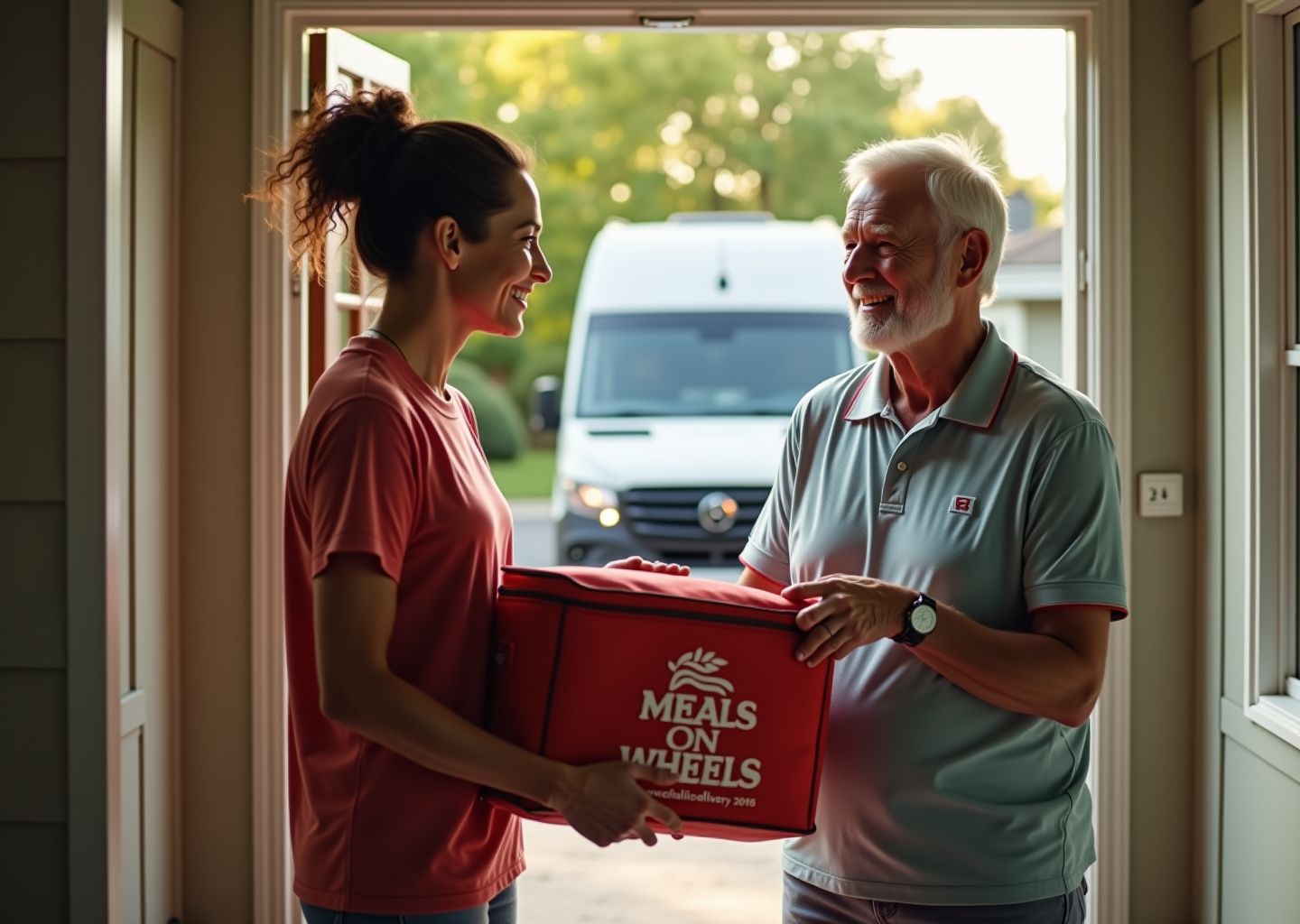
Finding reliable meal support is one of the most immediate needs for aging parents living at home. This guide explains the main senior nutrition programs in the U.S., clarifies eligibility and costs, and walks you step-by-step through how to locate providers and complete applications. Use these practical directions to secure nutritious meals and coordinate services with home care and financial assistance.
Understanding Senior Nutrition Programs in the United States
Navigating the world of senior nutrition programs can feel overwhelming, but understanding the basic structure is the first step toward finding the right support for your parents. In the United States, these services generally fall into two categories, each designed to meet different needs. The most well-known are home-delivered meals, often called Meals on Wheels. These programs are a lifeline for older adults who are homebound or have difficulty shopping for groceries and cooking. The second type is congregate dining, where meals are served in group settings like senior centers, community halls, or adult day cares. This option is perfect for seniors who are still mobile and would benefit from the social interaction that comes with sharing a meal with peers.
When people hear “Meals on Wheels,” they often picture a single, national entity. The reality is a bit more complex and community-focused. Meals on Wheels America is a national leadership organization that provides advocacy, research, and support to thousands of independent, local programs across the country. Each local provider operates on its own, setting its specific menus, delivery schedules, and enrollment processes. This public-private partnership model means that the service in your mom’s town might be run by a local nonprofit that’s been there for decades, tailored to the community’s specific needs. This local control is a strength, but it also means that availability and services can vary significantly from one county to the next.
The backbone of most of these programs is federal funding from the Older Americans Act (OAA), specifically Title III-C. This legislation, first passed in 1965, provides federal dollars to states, which then distribute them to a local Area Agency on Aging (AAA). The AAA is a critical local hub that plans, coordinates, and funds services for older adults in its designated region, including contracting with the nonprofits that deliver meals. However, federal funding alone isn’t enough to meet the growing demand. In fact, for many providers, it covers less than half their budget. The rest comes from a mix of state and local grants, corporate sponsorships, and, most importantly, private donations from community members. This is why you’ll often see local programs running fundraisers; they are essential for keeping the vans on the road and the meals coming.
Beyond the OAA-funded programs, several other federal initiatives help seniors access food. Many older adults are eligible for the Supplemental Nutrition Assistance Program (SNAP), which provides funds on an EBT card to purchase groceries. Other key supports include the Commodity Supplemental Food Program (CSFP), which provides a monthly box of shelf-stable food, and the Senior Farmers Market Nutrition Program (SFMNP), offering vouchers for fresh produce during the summer. These programs are designed to work together; receiving SNAP benefits, for example, does not disqualify someone from a home-delivered meal program. Using them in combination can create a more complete nutritional safety net.
In recent years, healthcare has started to play a bigger role in senior nutrition. Many states now include meal delivery as a covered service under their Medicaid Home and Community Based Services (HCBS) waivers. These waivers are designed to help people who would otherwise need nursing home care to remain in their own homes. Similarly, a growing number of private Medicare Advantage plans are offering supplemental benefits that may include a set number of home-delivered meals, especially for a short period after a hospital stay to aid in recovery. This integration recognizes that proper nutrition is a form of preventative medicine, helping to reduce hospital readmissions and improve overall health.
Veterans may also be eligible for specific nutrition support through the Department of Veterans Affairs (VA). While the VA does not operate its own national meal delivery service, veterans enrolled in VA healthcare may qualify for programs like the Homemaker and Home Health Aide Program, which can include assistance with meal preparation. Local VA social workers are also an excellent resource for connecting veterans with community-based providers like Meals on Wheels.
So, who qualifies, and what does it cost? For programs funded by the Older Americans Act, the general eligibility threshold is age 60 or older. However, local programs often make exceptions for younger individuals with disabilities who live in senior housing, spouses of eligible participants, or unpaid caregivers. While there are eligibility rules, OAA-funded programs operate on a donation-based model. No eligible senior will be turned away due to an inability to pay. You’ll often see a “suggested donation” per meal, but participants are encouraged to contribute whatever is comfortable for them. Some programs also offer private-pay options for those who don’t meet the eligibility criteria but still want the convenience of meal delivery.
Choosing between home delivery and a congregate meal site depends entirely on your parent’s situation. If your father is largely homebound, recovering from surgery, or finds cooking to be a safety risk, home-delivered meals are the clear choice. The daily visit from a volunteer also serves as a vital safety and wellness check. Reputable programs take this role seriously; volunteers typically undergo background checks and receive training on how to interact with clients and spot potential signs of distress. But if your mother is mobile, lonely, and just needs a little help with meals, a congregate program at a local senior center could be transformative. It provides not just a nutritious lunch but also a reason to get out of the house, socialize, and participate in other activities. These senior nutrition programs are more than just food; they are a cornerstone of the aging support network, integrating with home care, respite services, and care management to help older adults live independently and with dignity.
How to Find Programs and Apply Step by Step
Navigating the application process for senior nutrition programs can feel overwhelming, but breaking it down into manageable steps makes it much simpler. Your first goal is to find the right local provider. Since programs are managed at the community level, knowing where to look is the most important step.
Where to Start Your Search
Several reliable resources can connect you to local services. It’s often best to start with your regional hub for senior services.
-
Area Agency on Aging (AAA)
This should be your first call. AAAs are regional organizations designated by the state to coordinate services for older adults. They manage contracts with local Meals on Wheels providers and senior centers. An AAA can assess your parent’s eligibility for various programs, not just meals, and place them on the appropriate waiting lists. -
Eldercare Locator
If you don’t know your local AAA, the federal Eldercare Locator is the best tool. It is a public service of the U.S. Administration on Community Living. You can find it online or by phone, and it will direct you to your designated AAA using your parent’s ZIP code. -
Meals on Wheels America
The national Meals on Wheels America organization has a “Find Meals” tool on its website. This search function can help you locate the specific Meals on Wheels provider serving your parent’s address. -
2-1-1 Information Line
Dialing 2-1-1 from any phone connects you to a local referral specialist who can provide information on a wide range of community services, including senior nutrition programs, food pantries, and other supports.
Leveraging Professional Referrals
If your parent is in the hospital or working with a healthcare professional, use that connection. Hospital discharge planners, social workers, and care managers are invaluable allies. They understand the urgency of post-discharge nutrition and can often make a direct referral to a meal provider. A referral from a hospital can sometimes expedite the application, moving your parent to the top of a waitlist, especially when there’s a critical need to prevent readmission.
Gathering Your Documents
Before you call or start an online application, gather the necessary paperwork. Having everything ready will speed up the process significantly. You will likely need:
-
Proof of Age and Identity
A driver’s license, state ID card, or passport. -
Proof of Address
A recent utility bill or bank statement with your parent’s name and address. -
Income Verification
If you are applying for subsidized meals, you may need a Social Security benefit statement, pension statement, or recent tax return. Many programs funded by the Older Americans Act use a suggested donation model and do not require income proof, but it’s good to have it ready. -
Homebound Status Documentation
For home-delivered meals, some providers require a note from a doctor or a case manager’s assessment confirming that your parent is unable to leave home without assistance.
The Application and Intake Assessment
Once you connect with a provider, you’ll go through an intake assessment. This is usually a conversation over the phone, but it can also be an online form or an in-person visit. The goal is to understand your parent’s needs fully. Expect questions about:
- Dietary needs, allergies, and medical restrictions (e.g., low-sodium, diabetic-friendly, pureed).
- Mobility and ability to perform daily tasks like cooking.
- Current health status and recent hospitalizations.
- Emergency contacts and family support system.
- Desired frequency and format of meals (e.g., a hot meal five days a week, or a weekly box of frozen meals for weekends).
Be honest and thorough in your answers. This information ensures your parent receives safe, appropriate meals. Ask about their capacity to handle specific needs and whether a registered dietitian is involved in meal planning. The delivery model often depends on logistics; daily hot meals are common in urban areas, while weekly frozen meal deliveries may be more practical in rural regions. After the assessment, you’ll be informed about service start dates. Timelines vary; an urgent hospital discharge might get service within a day or two, while others could face a waitlist of weeks or even months depending on local funding and demand.
Understanding Costs and Contributions
For programs funded by the Older Americans Act, eligible seniors (typically 60+) cannot be denied a meal due to inability to pay. These programs operate on a suggested donation basis, often around $3 to $8 per meal. You contribute what you can afford. Some providers also offer private-pay options for those who don’t meet eligibility criteria or want additional meals. Always ask about the payment or donation process during intake.
Tips for Caregivers
Once service begins, coordination is key. Share the delivery schedule with home care aides to ensure someone is there to receive the meal. Align meal times with medication routines. If you have concerns, like missed deliveries or changes in your parent’s condition, contact the provider’s office immediately—they are a partner in your parent’s care. Most programs require 24 to 48 hours’ notice to pause service for a vacation or hospital stay. It’s also worth asking if they allow a designated caregiver to pick up meals from a central location, which can be a helpful option for some families.
Tools to Speed Up Enrollment
Use this sample script and checklist to make your initial calls more efficient.
Sample Phone Script

"Hello, my name is [Your Name], and I'm calling on behalf of my mother/father, [Parent's Name]. Their date of birth is [Parent's DOB], and they live at [Parent's Address].

I am looking to enroll them in the home-delivered meal program. They were recently discharged from the hospital for [reason] and are currently homebound. We need meals to start as soon as possible to support their recovery.

Could you please tell me about your eligibility requirements and what the next steps are for an expedited application?"
Caregiver’s Intake Checklist
- Parent’s Full Name, DOB, and Address
- Parent’s Phone Number
- Emergency Contact Information (Name and Phone)
- List of Dietary Restrictions and Allergies
- Mobility Status (e.g., homebound, uses walker)
- Recent Hospitalization Dates and Reason
- Name of Doctor or Hospital Social Worker for Referrals
- Questions to Ask:
- What is the cost or suggested donation?
- Are hot or frozen meals available?
- What is the delivery schedule?
- Is there currently a waitlist? If so, how long?
- How do we request an expedited start due to a hospital discharge?
Conclusion and Next Steps
Navigating the world of senior nutrition programs can feel overwhelming, but you now have the map and the tools to find the right support for your aging parents. Taking swift, informed action is one of the most powerful things you can do to protect their health and independence. Consistent, nutritious meals are not just about food; they are a frontline defense against falls, hospital readmissions, and the loneliness that can accompany aging at home. Enrolling your parent promptly ensures they get this vital support before a minor issue becomes a major crisis. Remember, these programs are designed to help, and the sooner you connect, the better the outcome for everyone.
You’ve learned that finding help is straightforward once you know where to look. The primary gateways are your local Area Agency on Aging (AAA), the national Eldercare Locator service, the Meals on Wheels America provider search, and the simple 2‑1‑1 phone line. These resources are the most reliable starting points for connecting with both federally funded and private meal programs in your parent’s community. The application process itself is also manageable. It typically involves an initial phone call or online form, followed by an assessment to understand your parent’s specific needs. Having key documents ready, like a photo ID, proof of age and residence, and any income or medical information, will make the intake process smooth and efficient.
It’s also critical to look at the full picture of available benefits. Senior nutrition programs are just one piece of the puzzle. Always investigate whether your parent qualifies for other supports that can work alongside meal delivery. The Supplemental Nutrition Assistance Program (SNAP) can help with grocery costs, while Medicaid Home and Community Based Services (HCBS) waivers in many states can cover meal services as part of a broader care plan. Don’t forget to review their Medicare Advantage plan, as many now offer meal benefits, especially after a hospital stay. For veterans, the VA offers its own set of nutrition and caregiver support programs that can be an invaluable resource. Layering these benefits creates a comprehensive safety net.
To turn this knowledge into immediate action, here is a prioritized checklist of what to do next.
- Make the First Call Within 24 Hours. Do not wait. Pick up the phone and dial 2‑1‑1 or contact your parent’s local Area Agency on Aging. Explain the situation, whether it’s a recent hospital discharge, a noticeable decline in health, or a simple need for support. This single step will connect you to a professional who can guide you through the specific options and eligibility rules in your area.
- Gather the Essential Paperwork. While you wait for a call back, get organized. Locate your parent’s photo ID (like a driver’s license or state ID card), proof of age (a birth certificate), and proof of residence (a recent utility bill). If you believe they may qualify for subsidized meals, also gather any relevant income statements or medical documentation that confirms a specific dietary need. Having these documents in a single folder will save you time and prevent delays.
- Request an Expedited Referral if Needed. If your parent is currently in the hospital or a rehabilitation facility, speak directly with the discharge planner, social worker, or case manager. Ask them to make a formal, expedited referral to the local meal provider. A referral from a healthcare professional often fast‑tracks the application, potentially getting meals started within days of their return home.
As you move forward, think of nutrition services as a key part of your parent’s overall care team. Coordinate meal delivery times with visits from a home care aide to ensure food is properly stored and prepared. Keep a simple log of every person you speak with, noting their name, agency, phone number, and the date of your conversation. This record will be incredibly helpful for follow‑up and ensures nothing falls through the cracks. You are taking a crucial step to support your parent’s well‑being, and with these clear actions, you are well on your way.
References
- Meals on Wheels America Highlights the Return on Investment of … — The stakes are high: 9 out of 10 Meals on Wheels providers receive federal funding, and for 60% of them, it represents 50% or more of their …
- MEALS ON WHEELS AMERICA URGES AN END TO THE … — New survey underscores urgent need for federal funding to resume in order to maintain Meals on Wheels services. ARLINGTON, Va., Oct. 30, …
- Meals on Wheels Service Market Size & Share 2025-2032 — The Meals on Wheels Service Market is projected to grow by USD 479.24 million at a CAGR of 6.83% by 2032.
- A Trend Analysis of Home-Delivered Meal Programs in the US – PMC — Up to 4% of the older US population reported home-delivered meals in the 2021 to 2023 NHANES cycle – the highest weighted proportion in all …
- Groundbreaking Study by WellSky® Foundation and Meals on … — New research highlights a 93% reduction in senior hospitalizations with meal service intervention, boosting senior health and recovery post-discharge.
- Findings From New Study Reinforce That Home-Delivered Meals … — These findings highlight that investing in home-delivered meal programs provides meaningful returns for both older adults and their caregivers.”.
- By the Numbers: America's Aging Population Fact Sheet — Explore the 2024 U.S. Fact Sheet from Meals on Wheels America, which highlights the challenges faced by older adults across the country.
- Research – Meals on Wheels America — Explore Meals on Wheels America research and data shared to help local providers meet demand and support seniors with vital services.
- Basics of Home-Delivered Meals – ACL.gov — Home-delivered meal programs provide nutritious meals to older adults who are not able to attend congregate meal sites.